From Stress and anxiety to Alleviate: Equine-Facilitated Health for Calmer Living
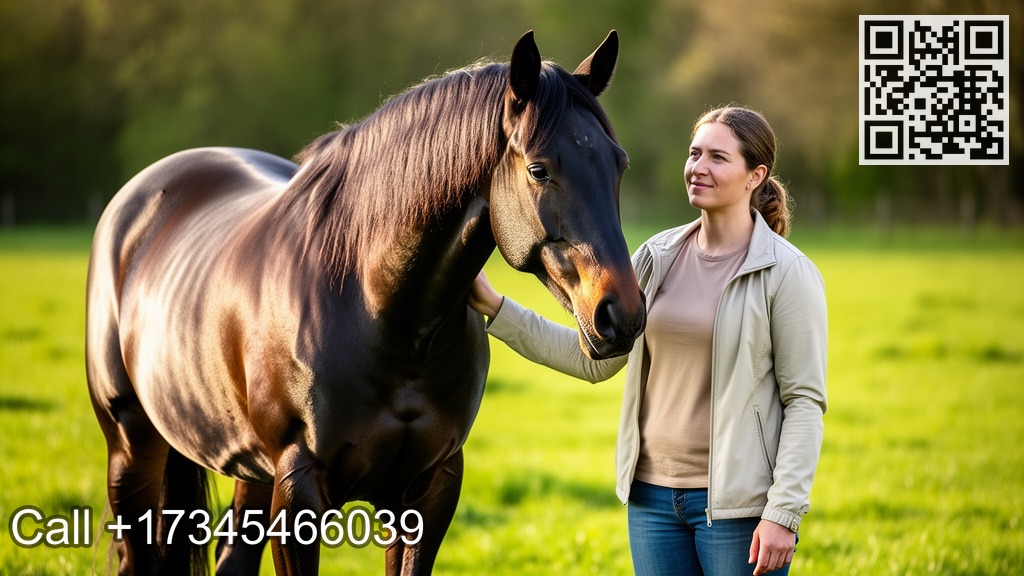
On a windy Tuesday, a woman called Cara stood beside a quiet bay gelding with her hands drinking so tough she can barely clip on the lead rope. Panic had become an acquainted site visitor for her, intruding during staff meetings, at traffic signals, on Sunday evenings for no factor at all. That day she found out to match her breath to the fluctuate of the steed's ribs. 4 rounds in and the gelding sighed, reduced his head, and licked and eaten, little signs of leisure every steed person understands well. Cara's throat loosened. It was the first full inhale she had absorbed months.
This is the entrance equine-facilitated health opens for many individuals. Steeds do not take care of human problems. They do something more sincere. They mirror, they ask for visibility, and they reply to clear, embodied interaction. That is where tranquility can take root.
What occurs in equine-facilitated wellness
In method, equine-facilitated health draws from healing horsemanship and various other equine-assisted services to support nerves regulation, emotional recognition, and useful coping skills. The format depends on your objectives and the carrier's credentials. An accredited mental health specialist may supply treatment in collaboration with an equine specialist, concentrating on stress and anxiety support with steeds, grief, or injury processing. A coach might lead equine-assisted mentoring sessions that center on management, boundaries, or confidence. A program built for kids might emphasize experiential learning with equines, social abilities, and sensory integration.
The typical string is communication with live equines, usually on the ground. Activities consist of grooming, leading, observing herd characteristics, liberty work, and simple challenge navigation. Placed work can be component of restorative horsemanship, specifically for equilibrium, sequencing, and confidence, but it is not needed for emotional gains. Standing silently in a field, observing how your breast feels as a 1,000 extra pound prey animal selects to stand near you, can be enough for a breakthrough.
Most sessions last 60 to 90 minutes. Some programs function one to one, others in tiny groups, usually 3 to 6 participants. The activity arc is predictable deliberately. Arrive, center, fulfill the equine or herd, take part in a planned activity, debrief, and close with a grounding regimen. Predictability belongs to the medicine for nervous systems.
Why horses help when words drop short
I have helped years with people who can not find the words for what their bodies are bring. Steeds fulfill them prior to words. The factors are practical, not mystical.
Horses review nonverbal signs with a sensitivity we battle to match. They discover breathing depth, muscular tissue tone, micro-movements, and rhythm. If your jaw is limited and your steps fast, the horse might elevate a head, plant a foot, or wander away. If you soften at the shoulders, reduce your exhale, and established a constant walking pace, the equine tends to mirror and adhere to. This is biofeedback you can really feel. You do something various with your body, and the steed responds in actual time.
This sustains somatic recovery with equines. You are not just talking about anxiousness, you are exercising what calmer seems like. With time, clients learn to interrupt spirals. Rather than believing their way out of stress, they form their breath, stance, and emphasis first, after that talk from a steadier place.
Horses likewise bring range. Distressed thoughts usually stretch to load our field of vision. Stand close to a gentle draft mare that relaxes her chin on your shoulder, and your field of vision needs to broaden. There is even more fact than the tale in your head. That point of view shift is not a guarantee, however when it takes place, individuals remember it in their bones.
A walk through an initial session
People often ask what to anticipate. Here is a composite from several very first days.
You park and see the quiet. The majority of barns sit off highways. Birds, the pale chink of a pail, the odor of hay, all of it slows the nerve system a notch. At consumption we inspect medical history, present supports, and goals. For anxiousness, objectives typically consist of resting with the night, fewer panic spikes, enhanced resistance for congested spaces, and a way to transform the dial down at work.
We start with orientation. Where to stand, just how to come close to an equine at the shoulder, why it matters to keep your feet clear. Safety is not a lecture, it is an initial lesson in visibility. You can not message and manage a lead rope at the exact same time.
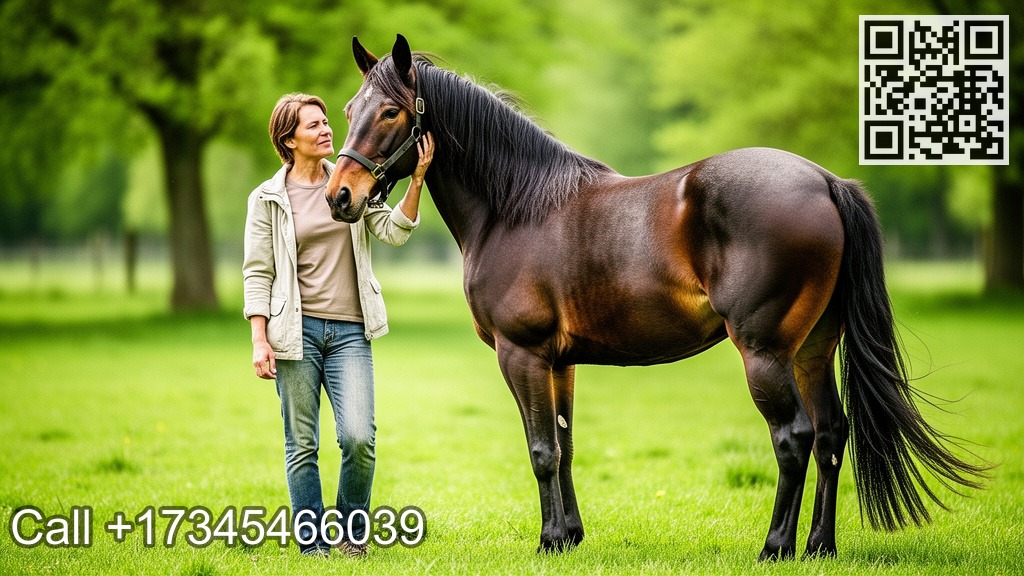
With the equine at the rail, we practice breath in a way that is not priceless. Inhale via the nose for regarding four counts, time out, breathe out through the mouth for a slightly longer matter. Place a hand on the horse's shoulder if the pet enables it, really feel the warmth and muscular tissue, notice their chest change. Several equines will certainly begin to yawn or blink greatly after a min or two of peaceful touching. That release seems to provide people authorization to let go too.
Grooming has a tendency to come following. It is responsive, predictable, and satisfying. I have enjoyed high up-and-comers feel real relief while curry combing in slow-moving, even circles. There is a work, it is clear, and conclusion is evident. That quality usually stands in comparison to life outside the sector where jobs multiply without end.
We could establish a pattern with cones. Stroll to red, pause, turn, wait on the equine to find you, then continue with each other. It appears deceptively straightforward. This is where individuals observe how their inner state turns up on the surface. If you rush, your equine may lag or turn away. When you exercise two sluggish breaths at each cone, your steed often tips up and matches you. The next day at the workplace, those 2 slow breaths at a doorframe come to be a memory https://jsbin.com/jamojagebu secured to a felt feeling of success.
We close with a debrief, resting near the arena wall surface with water and occasionally a peppermint for the steed. What felt simple, what felt like work, what surprised you. We pick one technique to attempt in the house. The goal is constantly mobility. Procedure matter, but the week in between issues more.
How stress and anxiety appears around horses, and what shifts
Anxiety is not one thing. It can be a hum under the skin or a full surge that hijacks your breath. With equines I often see four patterns.
First, over-functioning. People try to do everything right simultaneously, eyes snapping, hands busy, a voice that runs ahead of breath. Equines review this as sound. Showing people to simplify to one cue each time can reduce every person's heart rate.
Second, freeze. Some clients lock their knees and stop breathing. With them, I start at the fence line. We do not touch a lead rope till we can really feel feet in boots and back-of-ribcage breath. Typically I placed a tiny sand timer on a message. Two minutes of merely observing can restart activity without compeling it.
Third, evasion packed as politeness. People will certainly stand five feet away and ask the equine to come better, worried to assert space. A kind gelding will walk over, but the individual has actually not learned to take an enter their own ground. This is where a tranquility, sustained stride, heel to toe, comes to be a breakthrough.
Fourth, push with. Individuals who barrel onward in spite of nerves often tend to ram a steed's limits. If the mare swings her hindquarters away and pins an ear, that is information. Regard for those signals becomes regard for one's very own limits later on. I have seen customers cancel an overbooked evening after finally discovering what excessive seems like in their body.
What changes in time is not a personality transplant. It is a steadier standard and a quicker go back to baseline after stress and anxiety. Procedure give you reps. Aim for 6 to 8 once a week brows through at the start, after that infected biweekly. Some customers remain for a season and feel ready to proceed. Others return throughout tough life chapters like divorce or grief.
When coaching, therapy, and activities overlap
Terms can be complicated. Equine-assisted solutions is an umbrella that includes treatment, finding out, and coaching. Healing horsemanship usually emphasizes skill structure and adaptive riding. Equine-assisted activities can resemble group structure with horses, youth leadership, or health hideaways. Equine-facilitated coaching often tends to focus on objectives, behaviors, and efficiency. Every one of these can come from equine-facilitated health if the objective is whole-person regulation and growth.
Clarity issues. If you need therapy for detected anxiousness or trauma, select a program with an accredited psychological health expert incorporated into sessions. If you are seeking brand-new devices for tension and more clear interaction, equine-assisted training might fit. Inquire about the company's scope, training, and how they collaborate with your existing assistances, including drug prescribers or chat specialists. Great programs gladly collaborate.
Horses and children with sensory or interest differences
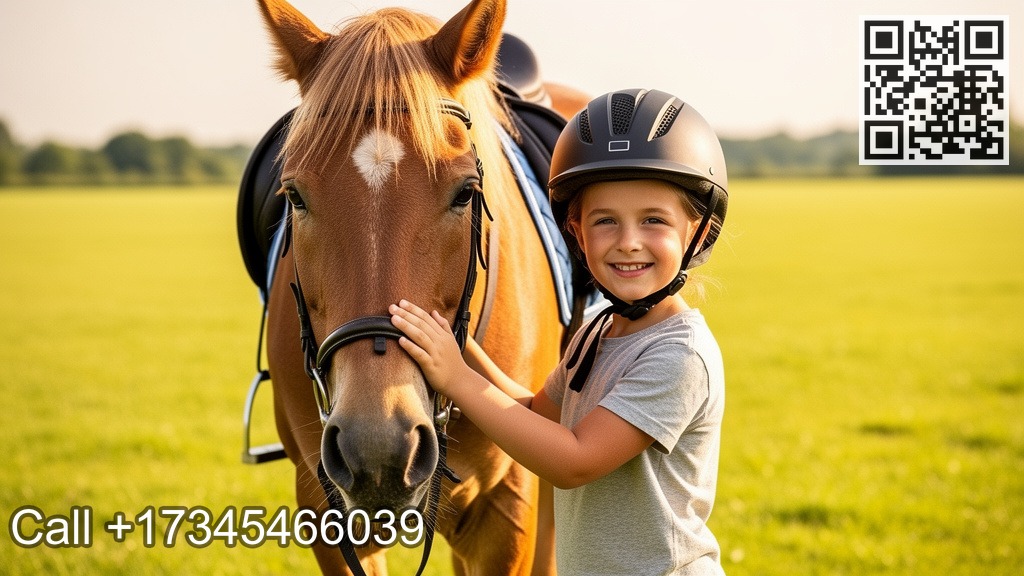
Horses can be a lifeline for youngsters who battle to rest still, tolerate sound, or checked out social signs. I have run an autism equine learning program where the very first win was merely a child stepping into the barn without hands over ears. We placed gos to at quieter times, utilized aesthetic timetables, and maintained jobs short with clear starts and finishes. Steeds gave social cues that were distinct. If a child flapped near a horse's flank, the horse moved away. When the youngster softened their body and touched at the shoulder, the equine returned. That loophole taught timing and gentleness faster than any type of worksheet ever before could.
ADHD equine learning support looks various. We shed energy first. Twenty laps of leading at a quick walk, weaving through standards, then brushing. Mounted work can aid with sequencing and right-left combination. I like patterns with 3 to 5 steps since success is measurable. We also exercise quiet waiting, not as a penalty, however as a common pause with the steed. A min is a very long time for some youngsters. When the horse yawns midway through the minute, youngsters see their effort land.
For kids with sensory challenges, steeds give an alternative therapy for sensory obstacles that enhances job-related treatment. The feeling of a steed's coat, the rhythm of walking, and the deep pressure of leaning into a cozy shoulder can organize a tired out system. That stated, not every child enjoys barn noises or smells. Some need ear security or a shorter check out. We go by the kid's signs, not our agenda.
Adults, job, and the herd
Adults typically get here for one of two reasons. Either their stress and anxiety is dripping right into family life, or it is constricting their management at work. With the last, team building with equines can be exposing. You can not fake followership with a steed. If your hints are irregular, the equine thinks twice. If you rush, the steed stops. If you get large without balance, the equine spooks. Teams that fight with depend on typically reproduce those patterns in the arena.
A brief sequence I such as involves haltering a steed as a group, after that relocating via a basic L-shaped obstacle course. No talking allowed until completion. People discover to connect with eyes, breath, and hands. Later, in debrief, the peaceful coworker usually shares that she ultimately felt listened to. The talkative manager understands he actions in too soon. Back at the workplace, that insight comes to be a change in meeting facilitation or delegation.
The gain is not magic. It is experiential discovering with horses that makes abstract concepts concrete. Borders become where you stand and when you step. Empathy comes to be how you match speed. Accountability ends up being whether the steed in fact relocated with the challenge with you.
Safety, consent, and steed welfare
A calm outcome rests on a structure of safety. Headgears are not just for riding. Closed-toe footwear are nonnegotiable in many programs. We teach people to observe ears, eyes, tail, feet, and to review the whole equine, not one part. Nerves co-regulate both means. If the equine is limited, we pay attention. If the individual is overwhelmed, we step back.
Consent runs both instructions. Ask before touching. See the horse's answer. A reduced head, a soft eye, a weight change toward you, these are thumbs-ups. A tail swish, pinned ear, tightened up muzzle, or shift away means time out. Developing a routine of asking and noticing adjustments the tone of sessions and, with time, the tone of relationships outside the barn.
Welfare is not home window dressing. Good programs maintain herd sizes reasonable for the land, track body problem ratings, revolve turnout, and timetable routine farrier and veterinary care. Sessions consist of breaks and do not treat horses as tools. If a steed decreases a task, we value that. If a steed continuously declines, we reassess their duty. I have retired equines to full field lives when they revealed us they were done saying yes.
Myths worth establishing down
A couple of ideas have a tendency to perplex newcomers.
Horses as specialists. Equines are not therapists. They are partners that provide feedback and visibility. Individuals, with training and honest standards, hold the restorative frame.
Ride or it does not count. Foundation can be as, or extra, efficient for anxiousness assistance with equines. Placed work has benefits, especially for postural control and rhythm, but calm does not rely on a saddle.
Quick repairs. You might feel a shift in session one. Enduring modification usually takes weeks, sometimes months. That timeline is not a failing. It reflects how bodies learn.
Only for steed people. A number of my most receptive clients had never touched an equine before they walked in. A novice's mind helps.
A quick story of 3 clients
Sam, a firemen, came in with a system tuned for activity. He had night awakenings, a jaw that clicked from squeezing, and a tendency to pace. With a calm gelding called Rio, Sam practiced three breath cycles prior to every request. After six sessions, his spouse reported less door checks prior to bed. Sam claimed he was using the breath hint at the terminal prior to hard phone calls. He did not become much less alert. He came to be much more selective concerning when to transform it on.
Mila, a middle schooler with autism, wished to stop covering her ears throughout settings up. Noise-canceling headphones helped, yet she wanted one more tool. Over ten weeks we constructed a ritual with a pony called Jasper. Two brushes each side, then a nose touch, then 3 actions with each other. At week four she asked to lead without me. At week eight she tried a setting up with headphones down for the first five minutes, fingers on her ribs to feel breath. She made it 7 mins that day, then twelve the next week. On week ten she transformed to her mommy and claimed, I can do tough points if I count my breaths.
Dev, a marketing exec, scheduled equine-facilitated training after a 360 testimonial called him dazzling and laborious. In the sector he asked a mare to walk on, then clucked, after that yanked, then raised his voice. The mare froze. We reset. He exercised one ask, after that a time out. The mare took an action. Waiting was the job. Dev later upgraded his one on ones around a solitary question and a silent matter of 3 prior to replying. His team did not unexpectedly adore him. They got more area. Result improved.
Simple ways to bring barn calm home
Two methods transfer well from the sector to day-to-day live. They appear easy. Simple is the point.
A breath that leads. Horses comply with exhale. People do too. When you feel activation increase, lengthen your out-breath by a second or two. Use a doorframe, a crosswalk, or the minute your video clip call connects as your sign. You can include a hand on your sternum if that helps.
An action that claims room. With a steed, stepping toward the shoulder with quality invites movement. At the workplace or in your home, take one aware enter your very own ground before you talk, specifically if your voice has a tendency to disappear under pressure. That step alters what leaves your mouth.
Who it is except, and when to wait
Honesty offers every person. Equine-facilitated wellness is not perfect for people in active psychosis or those with uncontrolled terrible behavior. If you are in intense withdrawal, dilemma stabilization comes first. Serious hatreds steeds or hay can be a barrier, although some clients manage with medication and masks.
If you are terrified of equines, it can still function, but we go slow. Some clients start with observation outside the fencing for a few sessions. Others understand a various method would be kinder to their nervous system in the meantime. Option is central.
Choosing a program you can trust
The field consists of numerous excellent suppliers and a few that rely on buzzwords. Look past the web site gloss. Ask about training, safety procedures, and exactly how they tailor sessions to anxiety. You intend to listen to clear borders, reference of consent, and regard for steed well-being. Ask what a common progression appears like and exactly how they determine modification. Providers ought to be willing to coordinate with your therapist or physician if you wish.
Here is a brief list to guide your search:
- Credentials line up with your requirements, as an example a qualified specialist for scientific anxiety or a skilled trainer for efficiency goals.
- Safety techniques are specific, consisting of helmet plans, emergency situation plans, and steed selection.
- Sessions are structured, with time for grounding, task, and debrief.
- Horse welfare is clear, with details on turnover, work, and healthcare.
- Goals and development are tracked in creating, and you obtain copies.
If you visit, notice your body in the space. Do you feel hurried. Does the barn really feel organized. Are equines standing with soft eyes or pinned ears. Your nervous system usually knows prior to your sensible mind catches up.
What the numbers can look like
I avoid sweeping pledges, however patterns appear. Throughout eight to twelve sessions, a lot of clients report sleeping far better, shorter and less extreme panic spikes, and enhanced interaction in the house or job. I have actually seen relaxing heart prices drop by 5 to 10 beats per min during sessions compared to consumption, based upon wearable data customers shared. That adjustment may not linger 24-hour a day, but the body discovers what simplicity seems like and improves at returning there.
Attendance issues. Weekly sessions for the very first month develop momentum. In your home, individuals who match a day-to-day two minute breath exercise with a brief body check have a tendency to maintain gains. Those who share goals with a spouse, close friend, or coworker typically follow through more consistently.
Integrating with various other supports
Equine-facilitated wellness usually rests close to talk therapy, medicine, yoga, or mindfulness techniques. The key is communication. If you get on a brand-new medication, tell your facilitator. Some medicines transform sweat price or warm tolerance. Hot barns can shock you. If your therapist is working on a particular exposure prepare for anxiousness, your horse sessions can strengthen the exact same abilities with clear, physical feedback.
I have had clients bring journal motivates from their therapist bent on the rail. I have joined case calls with college groups to straighten methods for a kid with sensory level of sensitivities. The equine job is powerful, but it is not a silo.
Getting began without overwhelm
Beginning something new while distressed can seem like dragging a support. Maintain it simple.
- Search within a convenient distance, such as 30 to 45 mins from home, and shortlist 2 programs that match your needs.
- Book a low-stakes see first, a half an hour orientation without any expectation to take care of a horse.
- Wear comfortable layers, closed-toe footwear, and bring water, tissues, and any type of essential medications.
- Plan a silent 20 min buffer after the visit to debrief with on your own. No rushing to the following thing.
- Choose one home practice from the session and routine it for a particular everyday hint, such as brushing your teeth at night.
Small, clear steps function much better than grand strategies. Steeds educate that every day.
A silent type of hope
I consider Cara commonly, the woman from that gusty Tuesday. She remained for ten sessions. On week 5 she claimed she quit checking the departures in every space. On week nine she told me she took her first solo hike in 2 years, a brief loophole at a local park where she practiced the exact same breath she learned with the bay gelding. On week 10 she brought him a pepper mint and represented a lengthy minute with her temple against the place where his mane started. Not healed, she claimed. Calmer. That was the word that fit.
Equine-facilitated health does not eliminate life's tough sides. It gives you a body-level method to satisfy them. With horses, tranquility is not an abstract concept or a motivational quote. It is a hand on warm shoulder muscular tissue, an exhale you can hear, a huge pet selecting to stroll with you due to the fact that you showed up in a manner that felt risk-free. Gradually, that experience reshapes exactly how you show up for yourself.
Happy Hooves Wellness
9177 Gross Rd, Dexter, MI 48130
+17345466039
https://www.hhooves.com/